
veldacaraballo
About veldacaraballo
The Vital Distinction Between Tenant and Google

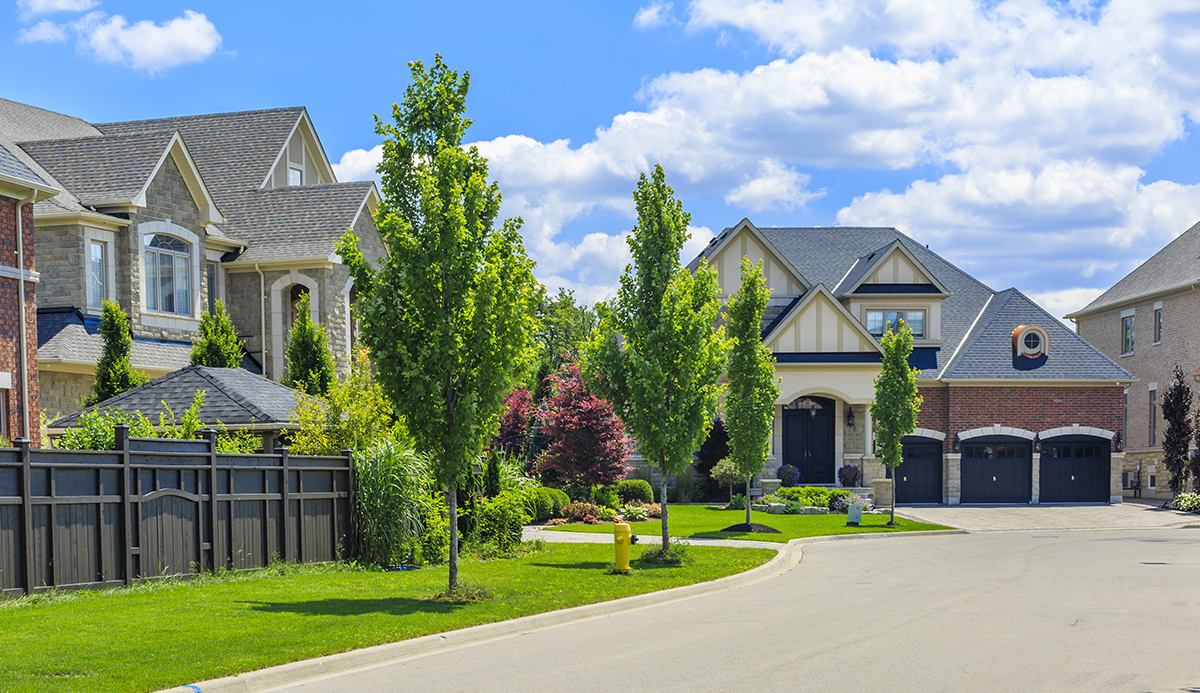 In markets where new construction has been active, prices have pulled back. Markets that overheated fastest have cooled most noticeably. But those are the exceptions. Most markets are not working from excess; they are working from scarcity.
 Sommer is a name you might hear from a lot of agents right now, because the buyers getting deals done tend to know exactly what they want and why. That is not a personality trait. It is a preparation habit.
Your credit score affects your rate more directly than most buyers realize. Moving your score up by 40 points before you apply can be worth more than months of rate watching. If your score has room to improve, talk to your loan officer about specific steps to raise it before you apply formally.
The appraisal is the lender’s check, not yours. A low appraisal means the buyer has to make up the gap in cash, renegotiate, or cancel. Ask your agent whether recent comparable sales support the price you are offering.
A seller with a specific need will sometimes take less money from a buyer who gives them what they actually want. Deal structure has won more competitive situations than overbidding has.
Real estate is illiquid. Buying and selling inside two years is almost always a money-losing proposition once you account for the full cost of both transactions. None of that means do not buy. It means be honest about your time horizon before you commit.
 Real estate rewards preparation more than it rewards timing. The market does not wait for the ideal moment, and neither should buyers who have done the work. A look at real estate listings and pricing data in your target area costs nothing and tells you a great deal.
No listing found.