
mylesalvarez34
About mylesalvarez34
Looking to attract more legal clients?
The Court of Appeal, established in 2014, sits between the High Court and the Supreme Court. These include the Workplace Relations Commission (for employment law), the Residential Tenancies Board (for landlord-tenant disputes), and the Special Criminal Court, which handles cases involving terrorism and organised crime.
Legal education typically involves completing a law degree or conversion course, followed by professional training through the Law Society or the Honorable Society of King’s Inns.
Judges are appointed by the President of Ireland on the advice of the government, but they enjoy security of tenure and cannot be removed from office without a resolution passed by both Houses of the Oireachtas.
Another example is R v Brown (1993), in which the House of Lords held that consent was not a defence to charges of actual bodily harm in sadomasochistic activities.
The COVID-19 pandemic accelerated these reforms, with remote hearings becoming more common in both civil and criminal matters. The High Court of Justice deals with serious civil matters and is divided into three divisions: the Queen’s (or King’s) Bench Division, the Chancery Division, and the Family Division.
This court hears appeals in both civil and criminal matters from the High Court and ensures consistency in legal decisions across Ireland.
These include the District Court, Circuit Court, High Court, Court of Appeal, and the Supreme Court, each with clearly defined roles and jurisdictions.
This case is still cited today and exemplifies how judicial decisions can have a long-lasting impact.
In the area of family law, Ireland has taken significant steps to protect the interests of children and vulnerable adults. That’s why search engine optimisation remains a cornerstone. UK judicial bodies operate within a hierarchical structure, meaning decisions from senior courts are authoritative over lower courts.
Ireland also maintains a diverse system of tribunals and specialised courts to deal with specific issues.
Most court hearings are open to the public and media, although reporting restrictions may apply in sensitive cases.
They define legal principles, settle conflicts, and influence the development of the law. The UK’s legal system is founded upon a mixture of case law and legislation, and rulings are instrumental in explaining how the law should be applied in individual cases.
Digital initiatives, including electronic filing, virtual hearings, and case management systems, have been implemented to improve efficiency.
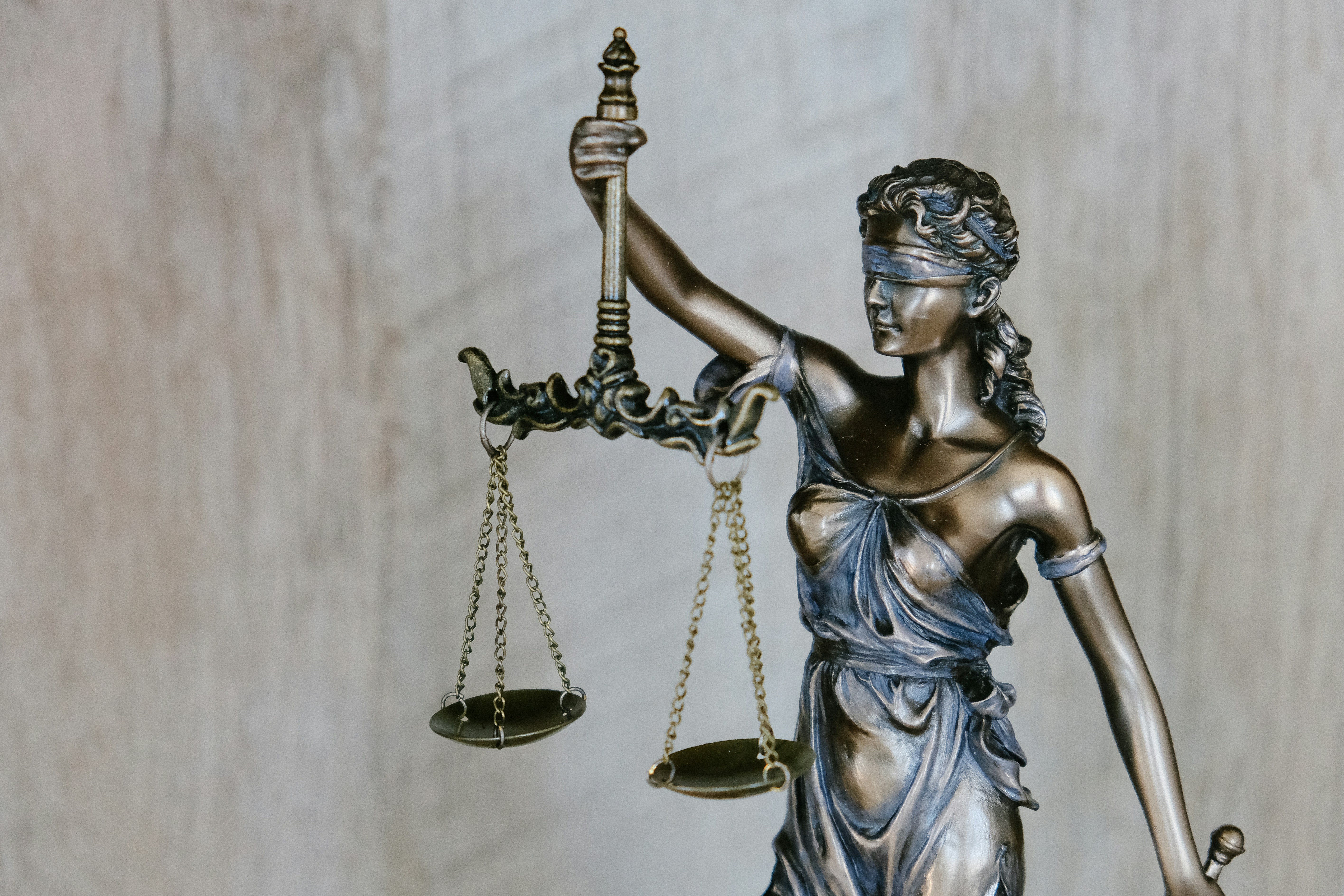
The organization of Irish courts is defined in the Constitution of Ireland (Bunreacht na hÉireann), which establishes the independence of the judiciary and outlines the key courts.
Through a combination of consistency, transparency, and reasoned analysis, the UK judiciary plays a critical role in maintaining the rule of law and ensuring fairness in society. Local SEO is especially important for firms serving local communities.
Decisions made in the High Court are binding on lower courts and may be appealed to the Court of Appeal.
Judgments are increasingly published online, enhancing legal understanding and scrutiny. It was created to ease the backlog of appeals and improve the efficiency of the legal system.
Family law firm proceedings are generally held in camera (in private) to ensure confidentiality and protect the dignity of those involved. The Irish court system has also embraced modernisation in recent years.
Ultimately, law court decisions in the UK are a cornerstone of the legal system.
Firms must optimise their landing pages to capture traffic. The courts can issue protection orders, custody arrangements, and maintenance orders.
Whether in civil law, criminal law, constitutional issues, or human rights cases, the decisions handed down by British courts are not just about resolving individual disputes—they are about building and maintaining a legal system that serves justice, democracy, and the public good.
A court must follow precedent unless it can distinguish the current case from previous rulings or if a higher court has overruled an earlier decision.
One famous example is the case of Donoghue v Stevenson (1932), where the House of Lords (the highest court at the time) laid the foundation for modern negligence law by establishing the principle that individuals owe a duty of care to those who might be affected by their actions.
Court transparency and accountability are central to the Irish legal system.
If you have any questions pertaining to where and how to make use of advertise, you could call us at our internet site. They create precedent, settle legal conflicts, and influence statutory interpretation. This principle is known as stare decisis, which ensures consistency and predictability in the law. Continuing professional development is required to maintain high standards within the profession.
A key characteristic of the Irish legal system is the principle of judicial independence.
No listing found.